How to choose a copper cezve: lining, size, stove and care
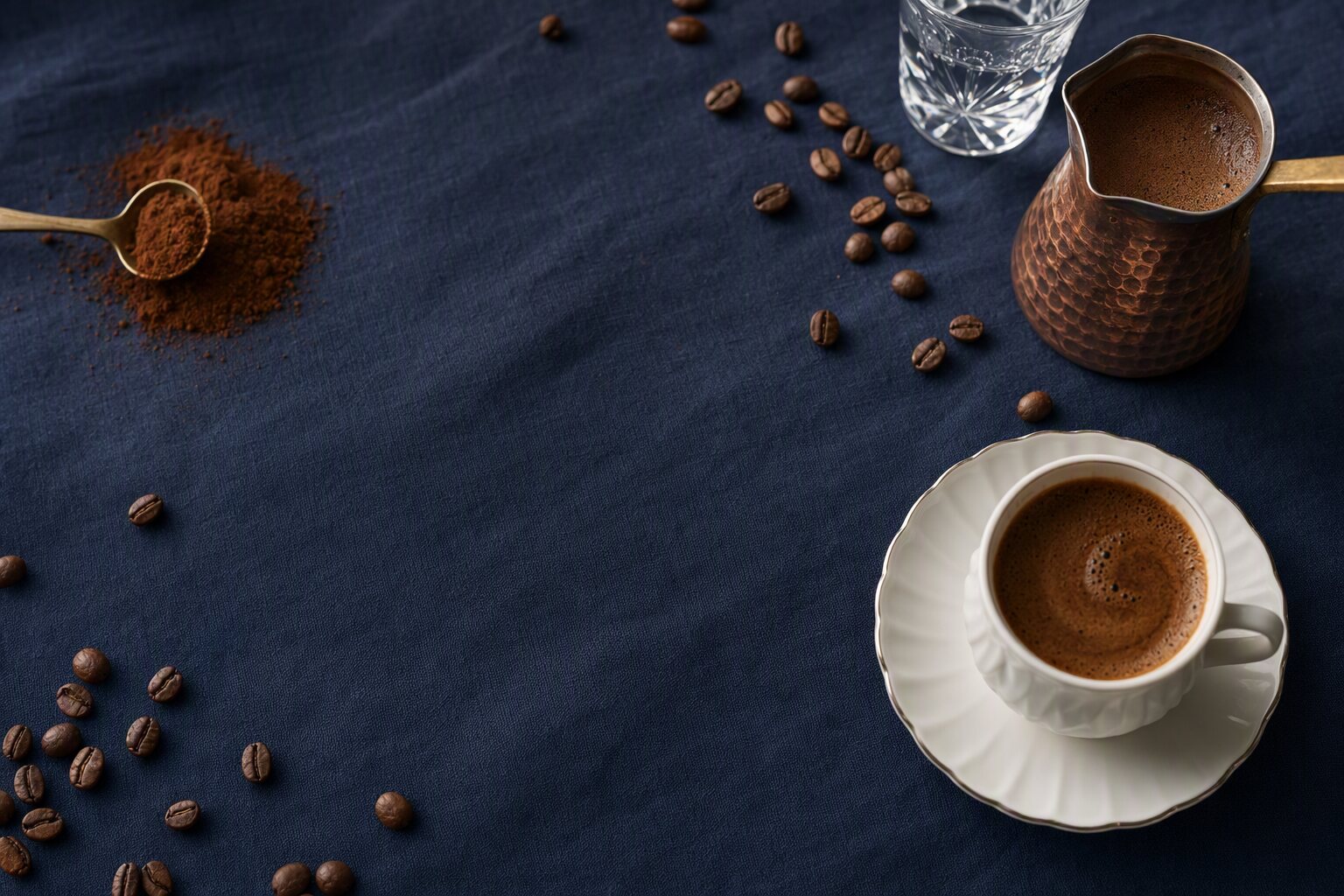
Copper spreads heat evenly, which is why it is the favourite pot for foamy Turkish coffee. Choose one lined with tin, size it to your cups, and follow a few simple rules to look…
Read moreThere is always a story behind a cup: the harvest calendar, the roaster's heat curve, the grinder setting. This is where we tell them.
Copper spreads heat evenly, which is why it is the favourite pot for foamy Turkish coffee. Choose one lined with tin, size it to your cups, and follow a few simple rules to look…
Read moreBrazil, the world's largest coffee producer, is known for chocolate, nut and caramel flavours. The main regions, natural and pulped natural processing, Rio Minas and specialty…
Read moreThe best Turkish coffee depends less on the brand than on freshness, beans and roast. What to look for on the bag, which Turkish coffee tastes smoothest, and how supermarket…
Read moreColombian coffee is known for bright acidity, caramel sweetness and red-fruit notes. A short guide to its regions, from Huila to Nariño, its two harvests a year and washed…
Read moreSpecialty Turkish coffee is made from specialty-grade beans, scoring 80 or more, roasted and ground for the cezve. What it is, how it differs from traditional Turkish coffee and…
Read moreRio Minas is a class of Brazilian Arabica from Minas Gerais whose distinctive “Rio” taste made it the traditional bean for Turkish coffee. Where the name comes from, why it…
Read moreSealed Turkish coffee stays safe to drink for a year or two, but loses its aroma much sooner. Roast date versus best-before date, the signs of stale coffee and how to store it.
Read moreThe most common reasons Turkish coffee won't foam: stale coffee, warm water, high heat, stirring while it brews and the wrong cezve. A quick fix for each, plus a recipe for a…
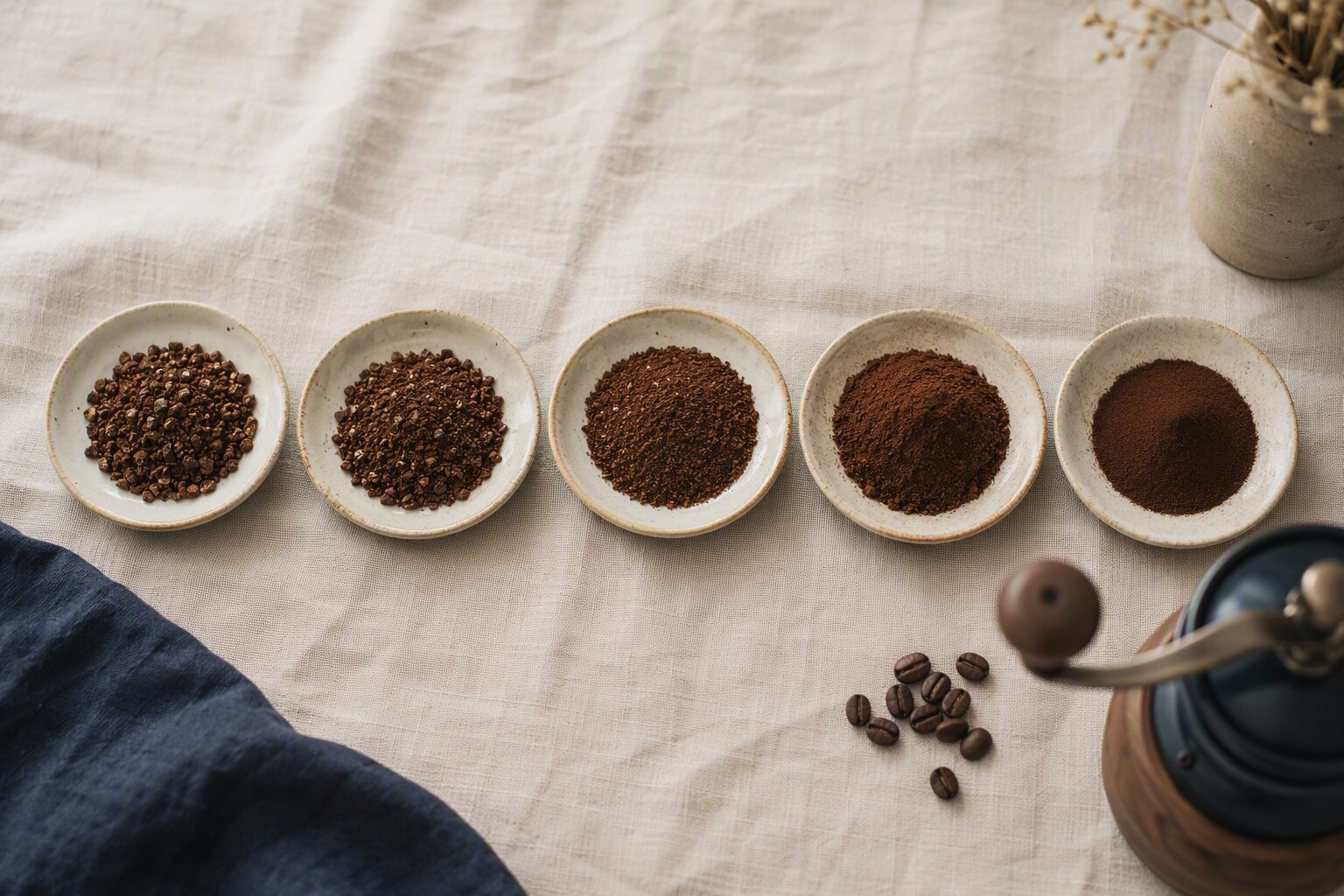
Read moreSame coffee, same water, same ratio; a completely different cup. What grind size does, how to dial it in and where to start for each method.
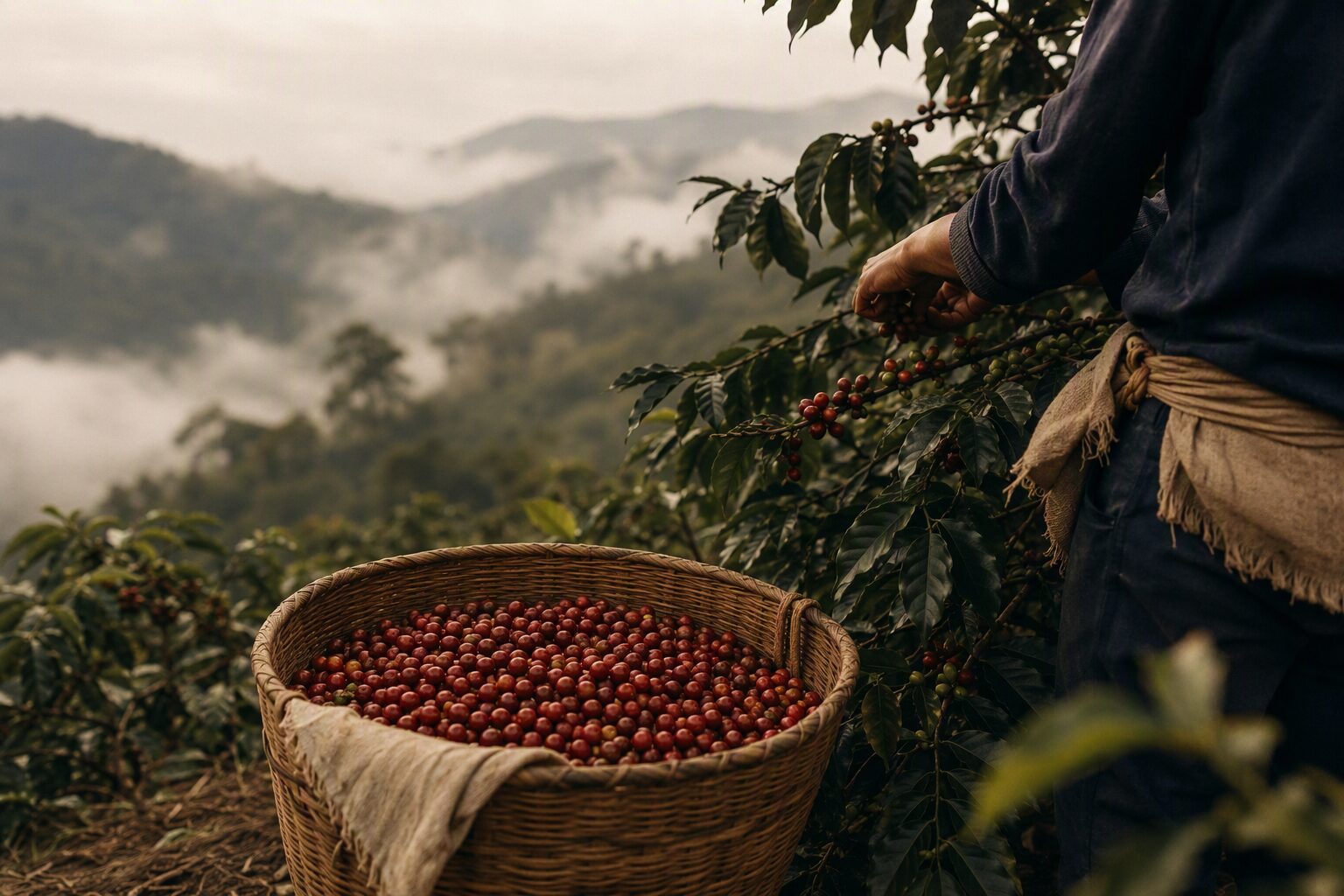
Read moreCoffee is an agricultural product. November in Ethiopia, two seasons in Colombia, June in Brazil. The harvest calendar explains why our coffees of the month change.
Read more